


Why SMBs Are the New Cyber Targets -- And How MSPs Defend Them Against Evolving Threats
Cybercriminals are switching up their playbook. These days, they are setting their sights on small and medium-sized businesses like yours.
In the past, big companies were the primary targets. Now, attackers view SMBs as easier targets due to their limited resources and weaker defences.
Your business could face grave risks if you don’t upgrade your cybersecurity and stay on top of new threats.
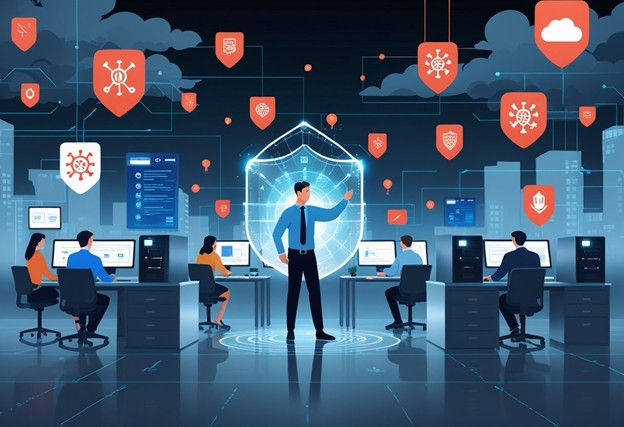
Managed Service Providers (MSPs) are stepping in to help SMBs like yours stay safe. MSPs have the skills and tools to block attacks that may cause financial loss or damage your reputation.
They keep up with new threats and take steps to protect your company, even as cybercriminals use creative methods like Google Sheets to spread malware. That’s not just theory—it’s happening in real attacks right now.
As online threats continue to evolve, knowing how to keep your business safe is becoming increasingly important by the day. Working with expert MSPs means you can build stronger defences and dodge many of the headaches other SMBs face.
Key Takeaways
SMBs are targeted more often by cybercriminals than before,
MSPs utilize proven methods to safeguard your business against cyberattacks,
The threat landscape continues to change and demands strong defences.
Why SMBs Are Becoming the Primary Targets for Cybercriminals

Small and medium businesses are catching the attention of cyber attackers. They often have fewer security resources than large corporations.
Limited defences, sensitive data, and key digital operations make SMBs appealing targets for modern cybercrime.
Rise in Cyber Threats Against Small and Medium Businesses
Cybercriminals have shifted focus from big enterprises to smaller companies. They believe SMBs are easier to breach and less prepared to respond to attacks.
A large number of cyberattacks reported today now target small and medium-sized businesses. These attacks include phishing, ransomware, malware, and data breaches.
SMBs often lack full-time security teams, which makes them vulnerable to sophisticated cyber threats. Criminal groups see this as a low-risk, high-reward opportunity.
Even a small business with modest data can offer valuable information. More information on how SMBs are prime targets for cybercriminals can help you understand this growing risk.
Common Motivations Behind Attacks on SMBs
Cyber attackers target SMBs with specific goals in mind. Some are after money—either through stealing banking details, launching ransomware, or committing fraud.
Others want your customer data, employee information, or proprietary data that can be sold or used in future crimes. This can result in financial losses and damage to your business’s reputation.
Data breaches or malware attacks can erode trust and scare away customers. Many SMBs are not insured or prepared, which can make them pay ransoms or fees quickly to get back to business.
Attackers aren’t picky about industry or size. Research shows there’s little connection between company type and risk, which is why SMBs are frequent victims of cyber attacks.
Key Vulnerabilities Making SMBs Attractive Targets
SMBs often operate with small budgets. This can result in poor security, outdated software, and limited staff training on cyber risks.
Common exploits used by cybercriminals include:
Lack of regular security updates and patches
Weak or reused passwords
Insecure remote work tools or cloud services
Employees unfamiliar with phishing and social engineering
Many small businesses believe they’re "too small" to be a target for cybercrime. In reality, these gaps make you an easy target for attackers using automated tools to scan and exploit any weakness.
Cybercriminals exploit these unsecured entry points. Breaches can result in stolen data, financial loss, and legal complications.
You can find more on why SMBs often lack strong security measures, making them a preferred mark for modern cyber attackers.
The Evolving Cyber Threat Landscape Facing SMBs

Cybercriminals now use more advanced tactics than before. They’re targeting smaller businesses for quick and profitable attacks.
These dangers include popular ransomware strains, tricky phishing methods, data breaches, and significant disruptions to daily operations.
Emerging Ransomware-as-a-Service Tactics
Ransomware-as-a-Service (RaaS) has changed the way cybercriminals operate. You don’t even need deep technical skills to launch ransomware attacks anymore.
Hackers can subscribe to ready-made ransomware tools for a share of the profit. This has led to a surge in ransomware incidents against small and medium-sized businesses.
Attackers are now deploying ransomware that not only locks up your data but also threatens to leak sensitive information. These dual threats intensify the pressure to pay and can lead to even greater harm if the data is exposed online.
Many RaaS groups continually update their tools, enabling attacks to evade traditional defences. Signs of a ransomware attack include a sudden loss of file access, ransom notes appearing on the screen, or files with unfamiliar file extensions.
To lower your risk, keep backups, update software, and train staff to spot suspicious activity. You can read more about the latest ransomware threats targeting SMBs.
Phishing Campaigns and Social Engineering Risks
Phishing campaigns and social engineering scams have become increasingly sophisticated and more challenging to detect. Attackers send convincing emails that look legitimate to trick you or your employees into clicking harmful links or giving away passwords.
Modern phishing emails often mimic the formats, logos, and language style of real companies. That makes it easy for users to fall for them unless they double-check the sender’s address or links.
Business email compromise (BEC) is a common form in which hackers pose as an executive to request money transfers or sensitive data. Social engineering can also involve phone calls, fake websites, or text messages.
Employees—especially in fast-paced environments—may feel rushed and overlook red flags. A simple mistake can give hackers deep access to your systems.
Providing ongoing training helps your team stay alert and informed. For more information on these trends, refer to this analysis of the top cybersecurity threats facing SMBs.
Malware, Data Breaches, and Other Threats
Email attachments, fake software downloads, or malicious websites are often used to deliver malware. Once inside your network, it can steal data, monitor activities, or lock you out of your systems.
Many small businesses become targets because of unpatched software and weak password controls. Data breaches can result from malware infections, phishing, or even lost devices.
Hackers can access sensitive information, including customer records and payment data. The costs of a breach may include fines, investigations, and the need to notify affected customers.
Other threats include drive-by downloads, credential stuffing, and denial-of-service (DoS) attacks. Each of these risks can lead to stolen data, financial loss, or downtime.
Regular security updates and strong authentication practices can help limit these dangers. For up-to-date statistics on risks, you can review the 2025 SMB Threat Landscape Report.
Impacts of Cyberattacks on SMB Operations
A successful cyberattack can bring your business operations to a halt. Ransomware may freeze access to important files, forcing you to stop serving customers.
Even short periods of downtime can result in lost revenue and frustrated clients. The reputational damage from a data breach or system outage may last for months.
Customers may lose trust if their personal information is leaked or if your services are interrupted. In some cases, regulatory fines and legal action may follow.
It’s a tough pill to swallow, but 71% of SMBs feel their defences aren’t strong enough. Fast-moving cyberattacks can cause lasting financial and operational harm.
For more information about these business impacts, visit the page on how quickly threat actors are targeting SMBs.
The Critical Role of MSPs in Defending SMBs

Cyber criminals are targeting small and medium-sized businesses more than ever. Partnering with managed service providers provides you with expert support, advanced tools, and customized strategies tailored to your organization’s specific security needs.
Managed Service Providers as Cybersecurity Partners
When you work with a managed service provider (MSP), you’re not just hiring a vendor for tech support. MSPs become your cybersecurity partners, taking responsibility for the health and safety of your systems.
They monitor your network, enforce security policies, and act as an early warning system for threats. MSPs provide ongoing support and guidance, helping you stay ahead of emerging risks.
They bring expertise and resources that most SMBs don’t have in-house. By sharing best practices and implementing security measures, they help reduce the likelihood of a successful attack.
A strong partnership allows you to focus on growing your business, while your MSP handles day-to-day security challenges. MSPs play a vital role in quickly identifying problems and responding before they impact your business.
Proactive Threat Detection and Incident Response
Threat detection is far more than simply waiting for an alert to appear. MSPs utilize advanced methods, including unified threat detection tools, security monitoring, and automated alerts, to quickly identify and address threats.
You receive 24/7 monitoring for signs of hacking, malware, and any unusual behaviours on your network. MSPs also handle incident response.
When something suspicious happens, they act fast. They investigate, contain the threat, and assist you in recovery.
This quick action reduces downtime and makes it less likely your business will suffer lasting harm. Real-time monitoring and strong incident response planning create a strong defence for your company.
Modern MSPs are trained to respond to cyberattacks and can adapt quickly to new threats as they emerge.
Security Awareness and Employee Training
Technology helps, but your team is a critical line of defence. MSPs can provide ongoing security awareness training for employees, enabling them to recognize potential dangers such as phishing emails and fake websites.
Training typically includes brief online lessons, simulated phishing tests, and regular tips on common scams. MSPs also review policies and help you establish a workplace culture that prioritizes security.
By educating your staff, you significantly reduce the risk of errors that can lead to data breaches. Consistent employee training, backed by your MSP, ensures that everyone is more aware and cautious online.
Tailored Security Solutions for SMB Environments
Security for a small business can’t be one-size-fits-all. MSPs evaluate your needs, challenges, and the way you use technology to build the right set of protections.
Standard tools include firewalls, antivirus software, encrypted backups, and secure remote access. Many MSPs offer bundled solutions that match your size and budget.
They review and update these solutions as your business changes or grows. Regular checkups and audits help ensure that you stay up to date with compliance rules and evolving threats.
You benefit from a security plan tailored specifically to you, not an off-the-shelf enterprise template. MSPs help SMBs make wise choices about which security tools and services offer the best protection and value.
Essential Security Measures and Best Practices MSPs Use

Strong security for your business relies on more than just antivirus software. MSPs utilize a combination of advanced solutions and routine checks to block, detect, and respond to threats, while also securing user identities.
Endpoint Detection and Response and MDR
Endpoint Detection and Response (EDR) tools monitor every device connected to your network. They’re always on the lookout for odd behaviour or suspicious patterns—a possible sign of malware or a hacker poking around.
Managed Detection and Response (MDR) services take EDR a step further by adding a team of security experts who monitor threats around the clock. If they spot something, they jump in fast to block or remove it.
With EDR and MDR, you’ll get real-time alerts and detailed reports about what’s happening on your computers, laptops, and servers. That means threats are caught early, and damage is limited.
MSPs often include anti-malware protections and automatically handle security software updates. This layered defence helps protect your most vulnerable entry points and gets you back on your feet faster if something goes wrong.
Curious how these tools help SMBs? Check out Cybersecurity Essentials For SMBs.
Regular Security Audits and Vulnerability Assessments
Security audits provide a snapshot of the strength of your current defences. MSPs run these checks to spot weak spots in your system.
Vulnerability assessments utilize scanning tools to identify software bugs, missing patches, or risky settings that attackers may exploit. Fixing these before hackers notice keeps your business ahead of trouble.
Routine checks also help with compliance. MSPs document their findings and suggest action plans for any issues.
For more on audit and vulnerability services, visit Cybersecurity Best Practices for Managed Service Providers (MSPs).
Multi-Factor Authentication and Identity Protection
Multi-Factor Authentication (MFA) makes it way more challenging for attackers to break in—even if they’ve stolen a password. With MFA, you need an additional way to prove who you are, such as a code sent to your phone or a push notification.
MSPs set up MFA to protect logins, cloud tools, and sensitive data. This makes phishing and account takeovers much less likely, which is a relief for SMBs.
Identity protection isn’t just MFA, though. It also means having solid password policies, secure single sign-on, and regular reviews of who has access to what. Together, these steps limit exposure and stop criminals from moving around if they do get in.
See how MSPs lock down SMB networks at Why MSPs Are Essential in Safeguarding SMBs from Google Sheets Exploitation in Cyber Attacks.
Regulatory Compliance and the Value of Cyber Insurance
Strong compliance and a good cyber insurance policy can shield your business from fines, disruptions, and that big hit to customer trust nobody wants. These days, both proactive security and risk coverage are pretty much expected for SMBs.
GDPR, HIPAA, and PCI-DSS Requirements
Regulations like GDPR, HIPAA, and PCI-DSS set the bar for data protection. If you handle EU customer data, the GDPR requires explicit consent, secure storage, and prompt notification of any data breaches. Mess up, and you could face hefty fines or business restrictions.
HIPAA is crucial for healthcare providers and anyone handling protected health information. You’ll need strong access controls, staff training, and secure data management. Even a small slip can trigger audits and penalties.
PCI-DSS matters if you take credit card payments. You’re expected to encrypt card data, restrict access, and keep tabs on transactions. Following these rules helps earn customer trust and cuts your risk of expensive breaches.
Cyber Insurance as a Risk Management Tool
Cyber insurance is turning into a must-have safety net for SMBs. It can cover costs such as ransomware payments, data recovery, legal fees, and customer notifications in the event of a mishap.
The average cost of a cyber incident for a small business can hit $1 million—enough to put some companies out of business. Having insurance may also help you meet contract requirements with clients or partners.
Not all policies are equal, though, so look closely at what you’re buying. Find coverage that fits your needs and includes help with regulatory response and breach management.
Future Cybersecurity Trends and Challenges for SMBs and MSPs
Digital threats aren’t slowing down. Attackers continue to become more sophisticated, and organizations of all sizes are in their sights.
Modern solutions must keep pace with evolving attack tactics, increased data risks, and the ever-changing landscape of work environments and work styles.
AI-Powered Threat Intelligence Tools
AI-powered tools are revolutionizing the way we detect and prevent cyberattacks. These systems learn from massive datasets, spot threat patterns, and alert your team before things escalate.
With AI-based threat intelligence, your defences get smarter over time. You can detect phishing scams and malware more quickly than with traditional manual methods.
Automated detection and response means fewer mistakes and less wasted IT time. Many managed security providers now use advanced AI to offer enterprise-grade protection to SMBs—pretty handy if you don’t have in-house security experts.
Cloud Security and Remote Work Considerations
As more businesses move to the cloud and allow employees to work from anywhere, cloud security becomes a top priority. Leaving the office behind brings new risks, like weak passwords, unsecured Wi-Fi, or lost laptops with access to sensitive data.
You’ll want strong cloud security controls, especially MFA, to block unauthorized access. Select cloud providers that update their software frequently and offer built-in security features.
Training remote workers is key, too. Simple mistakes can lead to significant breaches.
Teaming up with managed security or IT providers makes cloud protection easier. Experts can monitor and control network risks across all your platforms and devices.
Backup, Disaster Recovery, and Business Continuity
Reliable backup and disaster recovery plans are non-negotiable. A quick recovery after a ransomware attack or system crash can be the difference between a minor hiccup and a total meltdown.
Automate backups and ensure you have copies stored offsite or in the cloud. Test your disaster recovery plan regularly—don’t just set it and forget it.
This way, you can get back to business with minimal downtime if disaster strikes.
Managed Security Service Providers (MSSPs) and value-added resellers (VARs) can assist in setting up backup and recovery systems. That keeps your critical data safe and your operations running smoothly, even when things go awry.
For more strategies, take a look at IT challenges and disaster recovery for SMBs.
Growing Role of MSSPs and Integrated Solutions
MSSPs are quickly becoming the go-to for SMBs that want solid cybersecurity but can’t justify a large in-house team. They’ve got tools that watch, detect, and respond to threats around the clock.
That kind of constant monitoring? It’s a relief. You get real protection and a little more peace of mind.
Now, integrated solutions from MSSPs bundle features like advanced threat intelligence, cloud security, and backup—all in one place. Managing your cybersecurity suddenly feels less like a juggling act.
No more scrambling to learn every new tool or tech. You can focus on your main business instead.
This approach combines lower costs with stronger protection as you navigate regulations and audits. Experts help you keep up with new trends and make sure your defences actually fit your business goals.
It’s not perfect, but it’s a lot less stressful than trying to do it all alone.
If you would like to know more about how an MSP can improve YOUR small business’s Cybersecurity, fill in the form below, and one of our team members will be in touch.

Comments